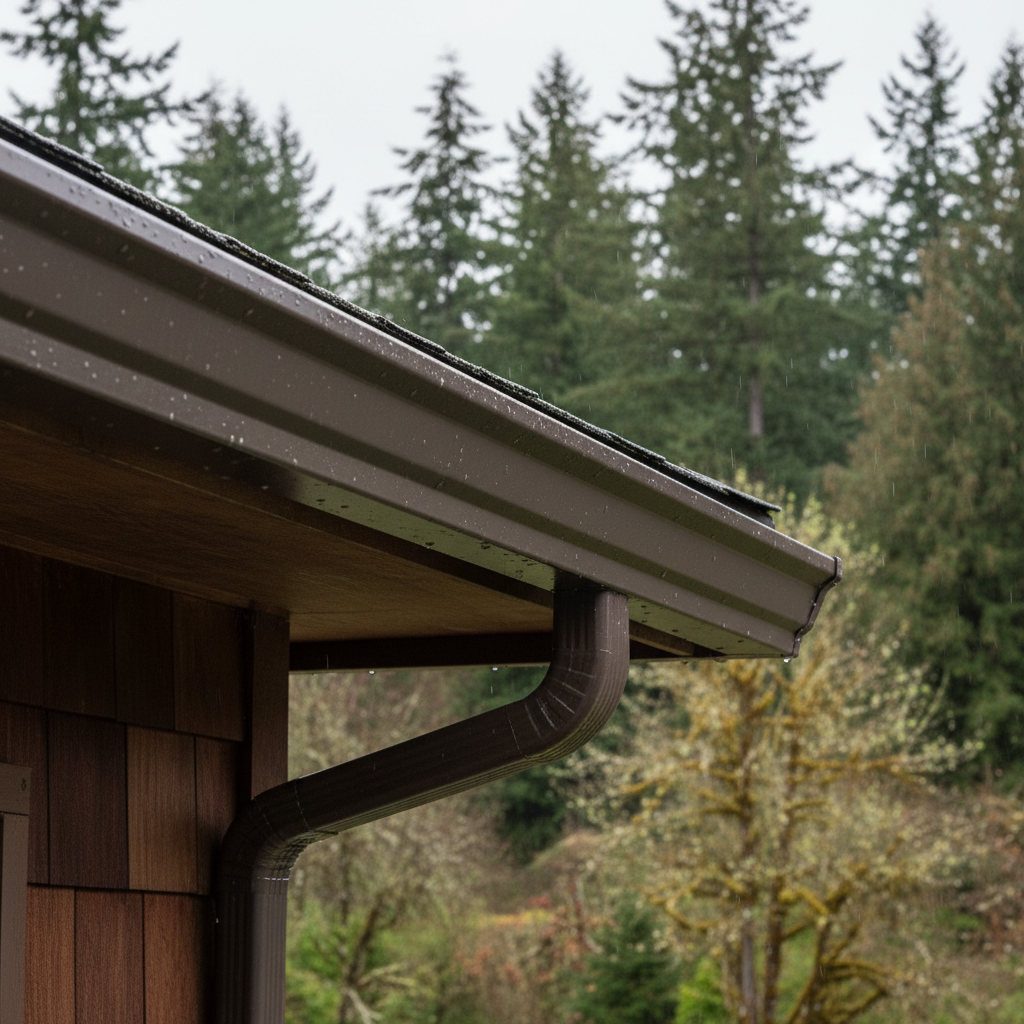
Is it Time for New Gutters?
Your gutters are probably one of those things you don't think about until they're really causing a problem. But if you're seeing water overflowing, rust stains on your siding, or worse, water pooling around your foundation, it's time to pay attention. Sometimes a good cleaning is all you need, but other times, you're looking at a full replacement. How do you know the difference?
First, take a good look at them. Are they sagging badly? Do they have a lot of holes or cracks that can't be easily patched? Are the fasteners coming loose everywhere? If your gutters are old, especially if they're the sectional kind with a bunch of seams, they might just be at the end of their life. Here in Renton, with all the rain we get, especially during those long, wet stretches from October through April, your gutters really work overtime. They take a beating, and eventually, they just wear out.
Before You Start: Planning Your Gutter Project
Alright, so you've decided new gutters are in order. Before you even think about pulling out tools, you've got some decisions to make. This is true whether you're doing it yourself or hiring someone like us at Classic Gutter Solutions.
- Material: Aluminum is the most common, it's affordable and durable. Steel is tougher but can rust. Copper looks amazing but costs a lot more. Vinyl is cheap but doesn't last as long, especially with our Pacific Northwest weather.
- Style: K-style is what you see on most homes, it's got that decorative front. Half-round gutters are more traditional, often found on older or custom homes.
- Size: Most homes use 5-inch gutters, but if you have a really large roof, especially a steep one, or your house is surrounded by big trees like many of the older homes up around the Highlands, you might need 6-inch gutters to handle the sheer volume of water. Don't skimp here; undersized gutters are just asking for trouble.
- Downspouts: You'll want enough downspouts to handle the flow. A good rule of thumb is one downspout for every 30-40 feet of gutter. Make sure they're directing water away from your foundation.
Take some measurements of your house. Get a rough idea of the total linear feet of gutter you'll need and how many downspouts. This will help you get a handle on costs, whether you're buying materials or getting quotes.
What You Can DIY (and What You Probably Shouldn't)
Replacing gutters isn't rocket science, but it's definitely a project that requires some careful work and a good head for heights. Here's my take:
DIY-Friendly Tasks:
- Removing Old Gutters: This is pretty straightforward. Most gutters are held on by screws or spikes. Just be careful on the ladder and watch out for sharp edges.
- Cleaning Up: Once the old ones are down, you can clean up any debris, paint, or repair fascia boards if they've been damaged. This is a great time to do any touch-up painting on your trim before the new gutters go up.
- Installing Downspouts (sometimes): If you're just replacing existing downspouts and the main gutter runs are already there, this can be a DIY job. It involves cutting the downspout to length and securing it with straps.
- Gutter Guards: If you're putting on simple snap-on or drop-in gutter guards, that's usually something a homeowner can handle.
When to Call a Pro:
- Seamless Gutters: This is a big one. You can't just buy seamless gutters off the shelf. They're custom-made on-site using a special machine that forms a continuous piece of aluminum. This eliminates seams, which are the most common points of leakage. If you want seamless, you need a pro. Period.
- Working at Height: If your house is two stories or more, or if you're not comfortable on a ladder for extended periods, don't risk it. A fall isn't worth saving a few bucks. Pros have the right equipment and experience.
- Complex Rooflines: If your roof has a lot of angles, corners, and different sections, getting the pitch right and making all the cuts and connections properly can be tricky. You want the water to flow correctly, not sit stagnant.
- Damaged Fascia/Soffit: If you uncover significant rot or damage to your fascia boards or soffits when you remove the old gutters, that's a bigger repair job that might be beyond a typical DIYer's comfort zone.
- Warranty: A professional installation usually comes with a warranty on both the materials and the labor. If something goes wrong, they'll fix it. You won't get that with a DIY job.
After the Install: Maintenance and What to Watch For
So, new gutters are up! Great job, whether you did it yourself or had us do it. Don't just forget about them, though. Even brand-new gutters need a little love.
- Regular Cleaning: Yes, even new gutters get dirty. Leaves, needles, and shingle grit will still accumulate. Clean them at least twice a year, more if you have a lot of trees around.
- Check for Clogs: After a heavy rain, take a walk around your house. Are all the downspouts flowing freely? If you see water backing up or overflowing, you've got a clog.
- Inspect for Damage: High winds, heavy snow (not common here, but it happens!), or even a rogue branch can damage gutters. Just give them a quick visual check now and then.
- Ensure Proper Drainage: Make sure your downspout extensions are directing water far enough away from your foundation. You don't want all that fresh water just dumping right next to your house.
Look, I've been doing this for a long time, and I've seen it all. There's a lot you can do yourself around the house, but some jobs are just better left to the experts. If you're in Renton or the surrounding areas and you're thinking about new gutters, give us a call at Classic Gutter Solutions. We're happy to give you an honest assessment and a free quote, no pressure. We'll tell you if it's something you can tackle or if it's a job for us.